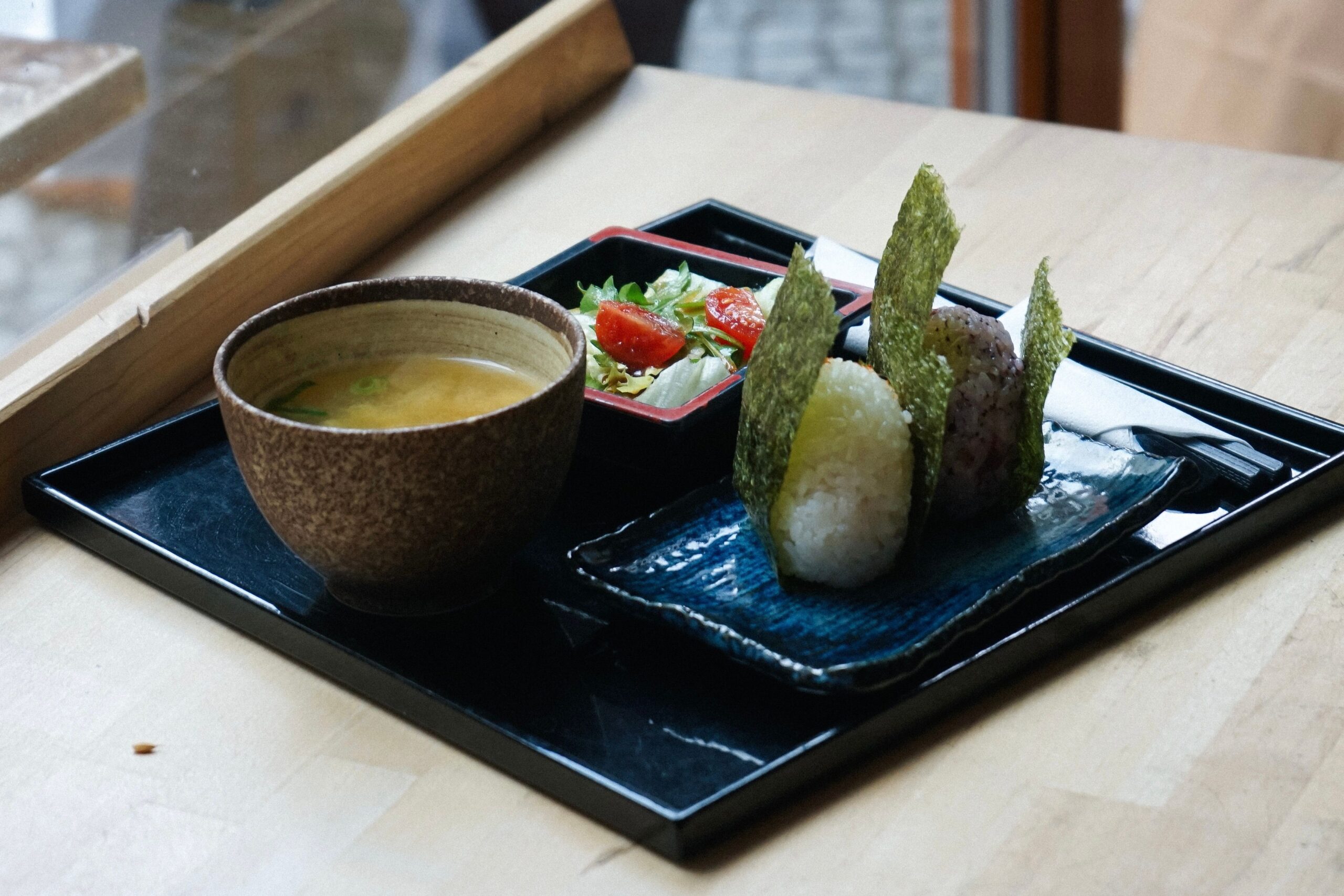
Ever notice how miso soup, natto, and pickles show up at basically every Japanese meal? That’s not just tradition — there’s real biology behind it. I’m a licensed pharmacist with over a decade of clinical experience, and I want to break down what’s actually happening in your gut when you eat fermented foods — and why Japan’s fermentation culture is worth a second look if digestive health is on your radar.
So What Actually Makes Something “Fermented”?
Fermentation happens when microorganisms — bacteria, yeast, or mold — break down the sugars and starches in food. In Japanese cooking, the MVP here is koji (Aspergillus oryzae), a mold that’s been transforming soybeans, rice, and barley into miso, soy sauce, sake, and mirin for over a thousand years.
Here’s the distinction that matters: spoilage is harmful microbes wrecking your food. Fermentation is the opposite — beneficial microbes making food easier to digest, more nutritious, and shelf-stable without refrigeration. That last part is actually a big reason fermentation became so central to Japanese food culture long before modern refrigeration existed. It wasn’t a health trend. It was survival, and it happened to be delicious.
And Japan doesn’t stop at miso and natto — there are hundreds of regional fermented foods most people outside Japan never hear about. Kyoto does delicate vegetable pickles like shibazuke and senmaizuke. Nagano’s cold climate and clean water make it a miso powerhouse. Kagoshima ages black vinegar in outdoor clay pots for years. Honestly, researchers treat Japan like a living lab for food microbiology, and once you start looking region by region, it’s easy to see why.
The Gut Health Connection
Okay, here’s the part that actually matters clinically. Miso and natto are packed with:
- Live probiotics — beneficial bacteria that help keep your gut microbiome balanced, which ties into digestion, immunity, and yes, even mood
- Prebiotic fiber — fermentation makes plant fiber easier for your gut’s existing good bacteria to actually use
- Bioactive peptides — proteins get broken down into smaller pieces during fermentation, so your body absorbs them more easily
- Vitamin K2 — natto is loaded with it, and it’s a nutrient that matters for bone and heart health but rarely gets attention in Western diets
Miso deserves its own spotlight. Traditional miso ages for months, sometimes over a year, and during that time enzymes slowly break soy protein down into amino acids and peptides. That’s basically why well-made miso tends to sit easier in your stomach than you’d expect from a soy product.
There’s also a newer idea gaining traction in gut-microbiome research: it might not just be how much fermented food you eat, but how varied it is. Rotating between miso, natto, pickles, and koji-based seasonings exposes your gut to a wider mix of bacterial strains than sticking to just one. Worth keeping in mind if you’re just starting out.
Why “No Additives” Actually Matters
Here’s something I care about a lot, both as a pharmacist and someone building a business in this space: not all miso or soy sauce is created equal, not even close. A lot of mass-produced versions use accelerated fermentation, sometimes with added alcohol, preservatives, or flavor enhancers just to fake the taste of the real, long-aged stuff.
The catch is that a lot of the gut-health upside comes specifically from live cultures and slow enzymatic breakdown — exactly what gets stripped out or shortcut in fast-tracked, heavily processed versions. So when you’re shopping for miso or soy sauce, keep an eye out for:
- “Unpasteurized” or “raw” on the label — pasteurization kills the live cultures
- A short ingredient list — real miso is just soybeans, rice or barley koji, and salt
- No MSG, no added alcohol, no artificial preservatives
- A stated aging period — “long-aged,” or an actual month/year reference
If you’re shopping in the US, this takes a little more digging than you’d think. A lot of supermarket miso is pasteurized by default just to sit on a shelf. Read the label, or look specifically for brands that market unpasteurized, refrigerated miso.
A Quick Word of Caution
Fermented foods are generally easy on most people, but they’re not risk-free across the board. They tend to run high in sodium, which matters if you’re watching your blood pressure. And since they contain live bacteria — and sometimes histamines — folks with certain digestive conditions or histamine sensitivity might want to ease in slowly and pay attention to how their body reacts.
Standard disclaimer, but an important one: this is meant to inform, not replace advice from your own healthcare provider, especially if you’re already managing a digestive or health condition.
Bringing This Into Your Kitchen
You don’t need a total diet overhaul to get the benefits here. Start small:
- Swap your usual salad dressing for a miso vinaigrette
- Stir a spoonful of miso into soups, marinades, or even butter for roasted vegetables
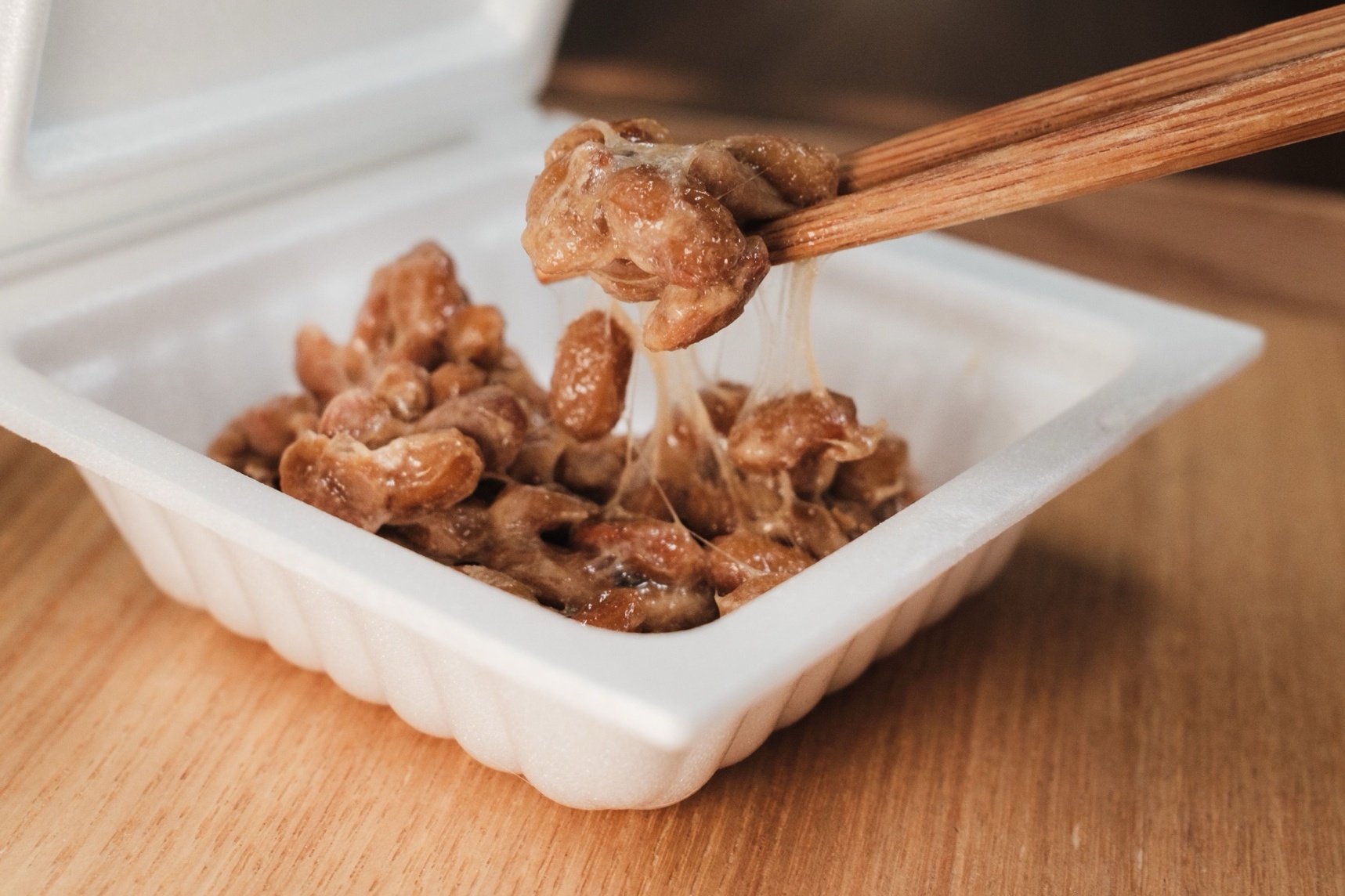
- Feeling adventurous? Try a little natto — it’s an acquired taste, but nutritionally it punches way above its weight
- Keep a jar of shio-koji (salted fermented rice koji) around as a go-to marinade — it tenderizes meat and fish while adding a natural, savory sweetness
日本語要約
日本の発酵食品(味噌、納豆、漬物など)が腸内環境に良いとされる理由を、薬剤師としての視点から解説しました。伝統的な味噌は長期熟成によって酵素がタンパク質を分解し、消化しやすい形に変わります。ただし、市販品の中には短期発酵・添加物入りのものも多く、本来の発酵食品が持つ健康効果を十分に得るには「無添加」「低温殺菌されていない」「熟成期間が長い」といった点に注目することが大切です。塩分の摂りすぎには注意しつつ、無理なく日常の食事に取り入れることをおすすめします。
コメント